


Curated in Beirut
Cash on delivery
30-day returns
Secure checkout
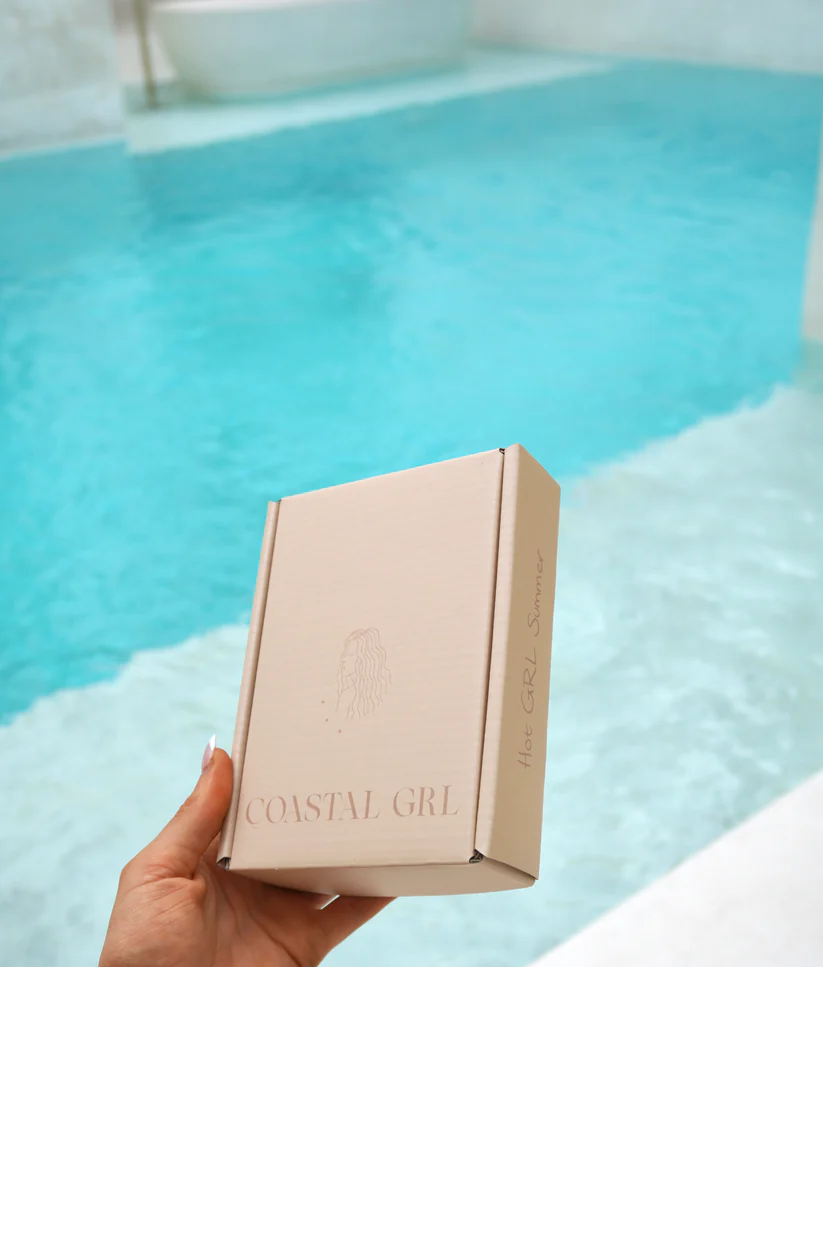
Chlorine and salt wreck your hair all summer long.
Pools and sea leave hair dry, straw-like, and brassy — and chlorine can turn lighter hair faintly green. Rinsing afterwards doesn't undo what's already soaked in. There is another way.
How it works
A protective coat, on before you get in.
Worked through damp hair before you swim, it coats each strand so it soaks up far less water — and far less of the chlorine or salt in it. Less gets in, so less dries you out, and conditioning oils keep hair soft and easy to comb when you're done. Rinse it out after your swim.
Questions
Does it completely stop chlorine damage?
No product makes hair fully chlorine-proof. It forms a protective coat so your hair absorbs far less chlorine and salt and stays softer and less dried-out — but rinsing and conditioning after still matters.
Will it keep my blonde hair from going green?
It helps. By cutting how much chlorine your hair takes on, it lowers the chance of that green tint — especially if you apply it every time and rinse promptly after.
Wet or dry hair?
Damp hair. Wet your hair first, then work it through before you get in the water.
Do I rinse it out?
Yes — rinse it out after your swim, then shampoo and condition as usual.
Is it safe for color-treated hair?
Yes — it's meant to help protect color-treated and lighter hair from fading and brassiness. Patch test first if your scalp is sensitive.
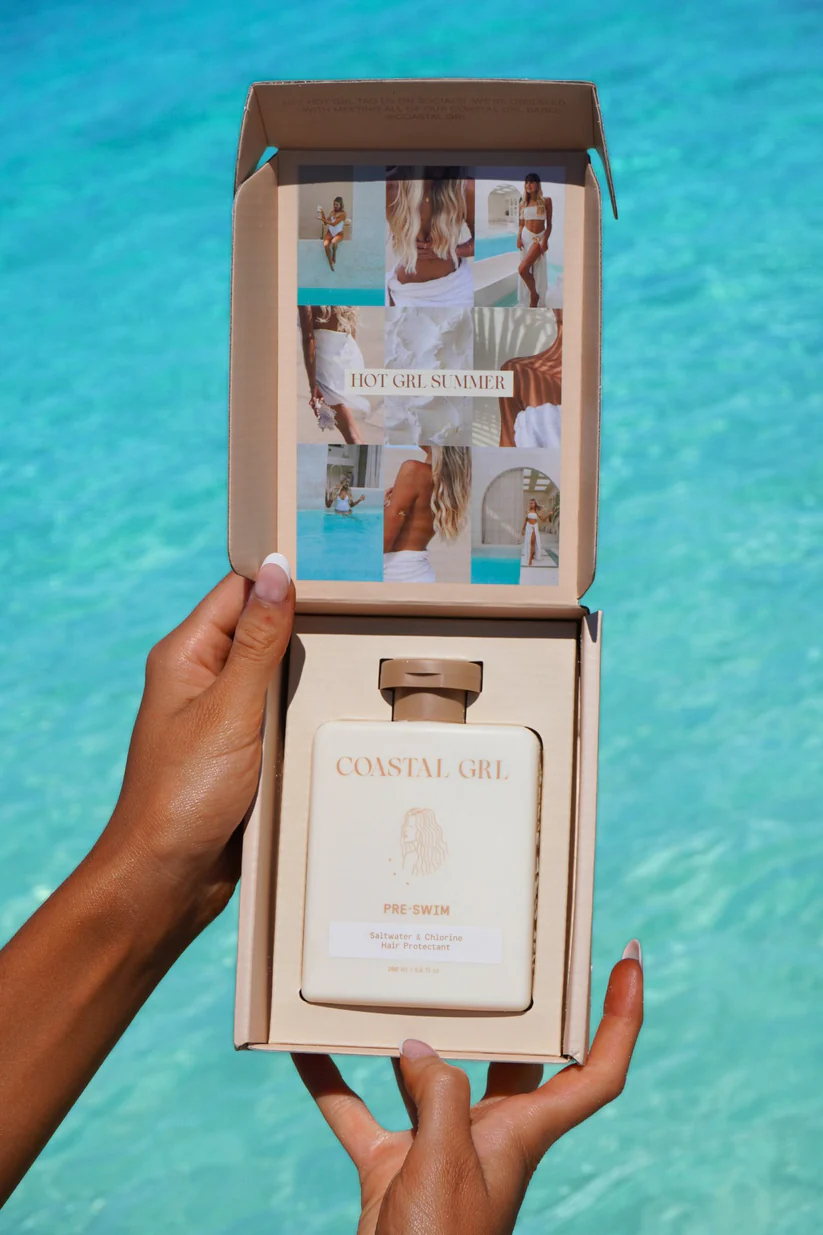
Is the product the exact size shown?
Our product photos are for illustration, and exact sizes or volumes can vary between items. If the precise size matters for your order, message us before buying and we'll confirm the exact dimensions for any product.
Do you ship outside Lebanon?
Not yet. Thebeautycartel ships within Lebanon for $3 flat. We're focused on Beirut first.
What's your refund policy?
We refund or replace any defective or damaged product. For hygiene reasons, opened haircare cannot be returned. Unopened items can be returned within 14 days.
Swim without the damage.
$30. Shipped within Lebanon, $3 flat.

Pre-Swim Hair Protectant — Saltwater & Chlorine Shield
$30.00